The traditional capital markets have long faced inefficiencies, slow settlements, limited access, and high operational costs. But now, blockchain-powered security token exchanges are changing the game.
By tokenizing real-world assets and enabling regulated digital trading, these platforms offer a future where investment is faster, more accessible, and highly transparent.
Let’s explore why security token exchanges are revolutionizing capital markets and what it means for the global financial ecosystem.
A security token exchange is a regulated digital platform where tokenized securities, such as stocks, bonds, or real estate, are bought and sold.
These platforms use blockchain technology to enforce compliance, enable instant settlement, and offer global access while meeting legal and financial regulations.
Unlike utility tokens, security tokens represent ownership of real-world, regulated assets. As these tokens are subject to securities laws, exchanges must meet strict regulatory and operational standards, ensuring investor protection and market integrity.
Security token exchanges are reshaping the financial ecosystem by enabling instant settlement, global access, and fractional ownership. These platforms offer a more efficient, inclusive, and automated alternative to traditional capital markets, making them a powerful tool for future finance.
Also, a leading crypto development company can help you in achieving the potential of the security tokens in the market.
Traditional financial transactions often require multiple intermediaries like brokers, custodians, and clearinghouses, leading to delays and higher fees. Security token exchanges use blockchain smart contracts to enable peer-to-peer transactions with real-time settlement, removing intermediaries and drastically cutting both time and costs.
Tokenisation allows high-value assets like real estate or private equity to be broken down into fractional units. This unlocks investment opportunities for retail investors who couldn't afford full asset ownership, increasing market liquidity and democratizing access to premium investment classes.
Unlike traditional markets that close on weekends or public holidays, security token exchanges can operate 24/7 globally. Investors from different countries and time zones can participate seamlessly, expanding market participation and enabling borderless capital flows like never before.
Security token exchanges are built with compliance embedded into code. Smart contracts can enforce KYC/AML checks, investor accreditation, and geographical restrictions automatically, ensuring that every transaction is legally compliant without manual oversight, reducing regulatory risks for issuers and investors alike.
Issuing a tokenized security is more cost-efficient than launching a traditional IPO or private placement. The use of blockchain eliminates paperwork, reduces legal complexities, and cuts down underwriting fees, making capital raising faster and more economical for startups and enterprises.
Every transaction on a security token exchange is recorded on a transparent, immutable blockchain ledger. This enhances trust and accountability among stakeholders. Regulators, auditors, and investors can easily verify ownership, trade history, and compliance status, creating a more reliable market infrastructure.
Security tokens can be programmed to behave in specific ways, such as auto-paying dividends, enforcing lock-up periods, or triggering buybacks. This automation streamlines operations, eliminates manual processing, and opens up innovative models for financial instruments that are smarter and more adaptive.
Traditionally illiquid assets like private equity or venture capital shares can now be tokenized and traded on secondary markets. Security token exchanges allow investors to exit early, unlocking liquidity in areas previously constrained by lock-in periods and limited buyers.
Companies listing on security token exchanges can reach a wider investor base, including both institutional and retail participants across jurisdictions. With token standards and global compliance protocols, these exchanges break down the geographical and regulatory silos that once restricted fundraising.
Governments and regulatory bodies worldwide are increasingly supporting tokenization and digital asset infrastructure. As CBDCs, blockchain identity systems, and digital registries emerge, security token exchanges are becoming core to next-generation financial systems, offering a more efficient and inclusive model for capital formation.
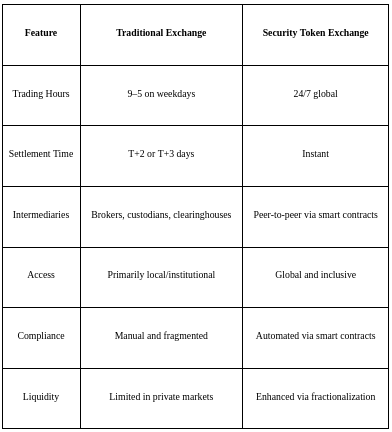
Security token exchanges introduce blockchain-powered innovations that eliminate middlemen, automate compliance, and allow 24/7 trading. Compared to traditional exchanges, they are faster, more transparent, and globally accessible, redefining how assets are issued, traded, and managed in modern financial markets.
Despite their advantages, security token exchanges face hurdles such as regulatory uncertainty, limited liquidity, and low institutional adoption.
Addressing these challenges will be critical to unlocking their full potential and gaining mainstream trust and participation in digital capital markets.
Many jurisdictions still lack clear regulations around security tokens. Without defined frameworks, compliance remains a grey area, posing risks for both platforms and investors. However, regulatory momentum is increasing with countries like Switzerland, Singapore, and the UAE leading the way.
Many institutional investors remain cautious about entering the digital asset space due to perceived volatility, custodial risks, or lack of liquidity. As trusted infrastructure and custody solutions mature, this barrier is expected to diminish over time.
Despite the potential, trading volumes on current security token platforms are relatively low compared to traditional exchanges. This can deter new investors. However, as more high-quality assets are tokenized and markets mature, liquidity is expected to improve.
From INX to tZERO and SDX, leading security token exchanges demonstrate real-world success in regulated digital asset ttrading
Built with the help of a skilled blockchain development company, these platforms showcase how innovation is transforming capital market infrastructure worldwide.
One of the first SEC-registered platforms in the U.S., INX enables regulated trading of tokenized equities and bonds, offering full compliance with U.S. securities laws.
Backed by Overstock, tZERO focuses on digital securities and has partnered with multiple issuers to offer tokenized shares to accredited investors.
Switzerland’s SIX Group launched SDX to tokenize bonds and equities with institutional-grade infrastructure and government oversight, proving security token exchanges can work at a national level.
The future of security token exchanges is intertwined with the evolution of the broader digital asset ecosystem. Here’s what lies ahead:
Security token exchanges are not just a trend; they represent a foundational shift in how global capital markets will operate.
With lower costs, broader access, instant settlements, and built-in compliance, they solve the long-standing inefficiencies of traditional systems.
As regulations evolve and adoption grows, platforms powered by blockchain and developed by a leading Security Token Exchange Platform Development like Coin Developer India will define the next era of financial innovation.
On-Chain Media articles are for educational purposes only. We strive to provide accurate and timely information. This information should not be construed as financial advice or an endorsement of any particular cryptocurrency, project, or service. The cryptocurrency market is highly volatile and unpredictable.Before making any investment decisions, you are strongly encouraged to conduct your own independent research and due diligence
Tags :

0 Comments
Show More
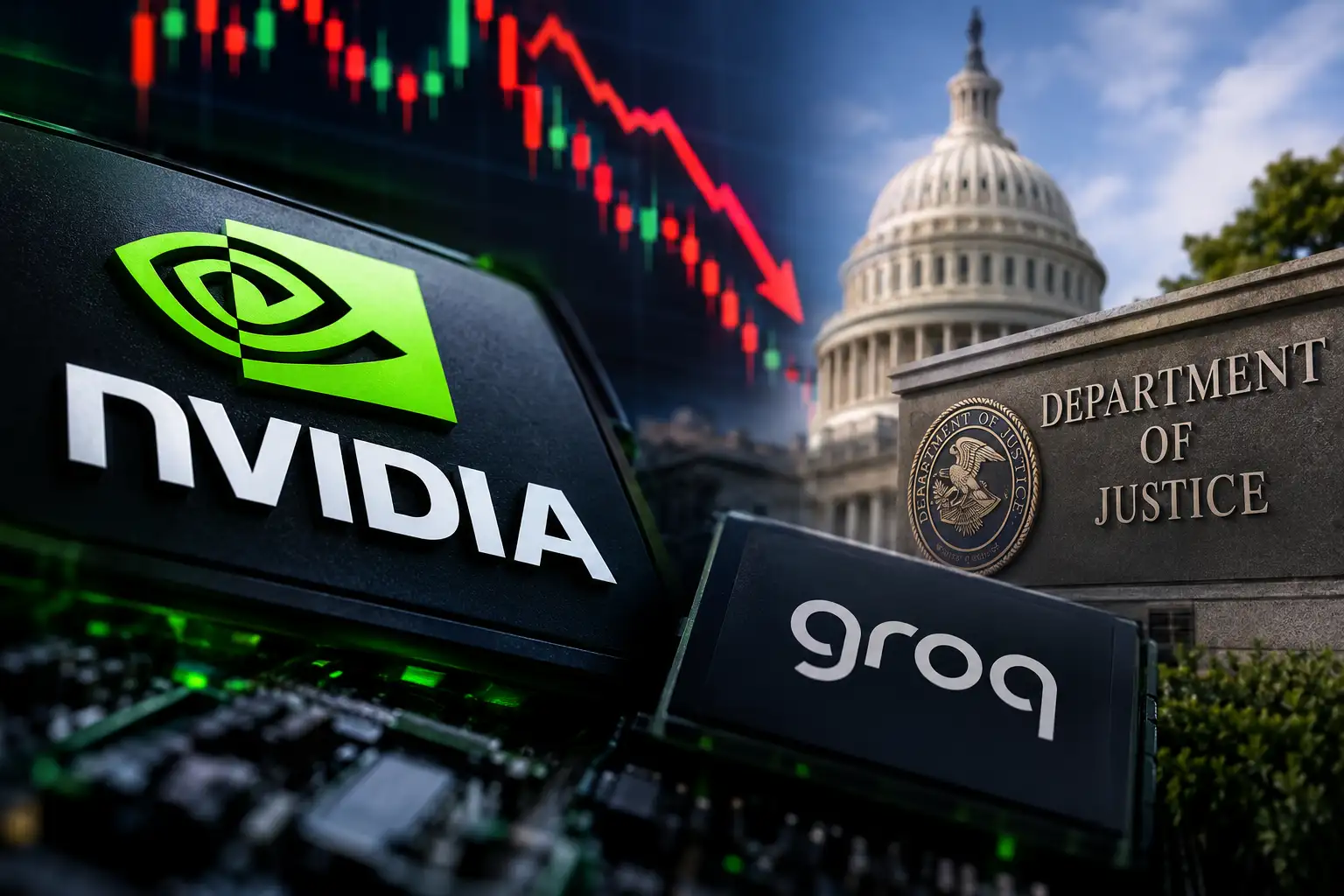
Nvidia falls as AI-safety concerns, DOJ scrutiny of its $17 billion Groq licensing deal and profit-taking pressure weigh on shares.
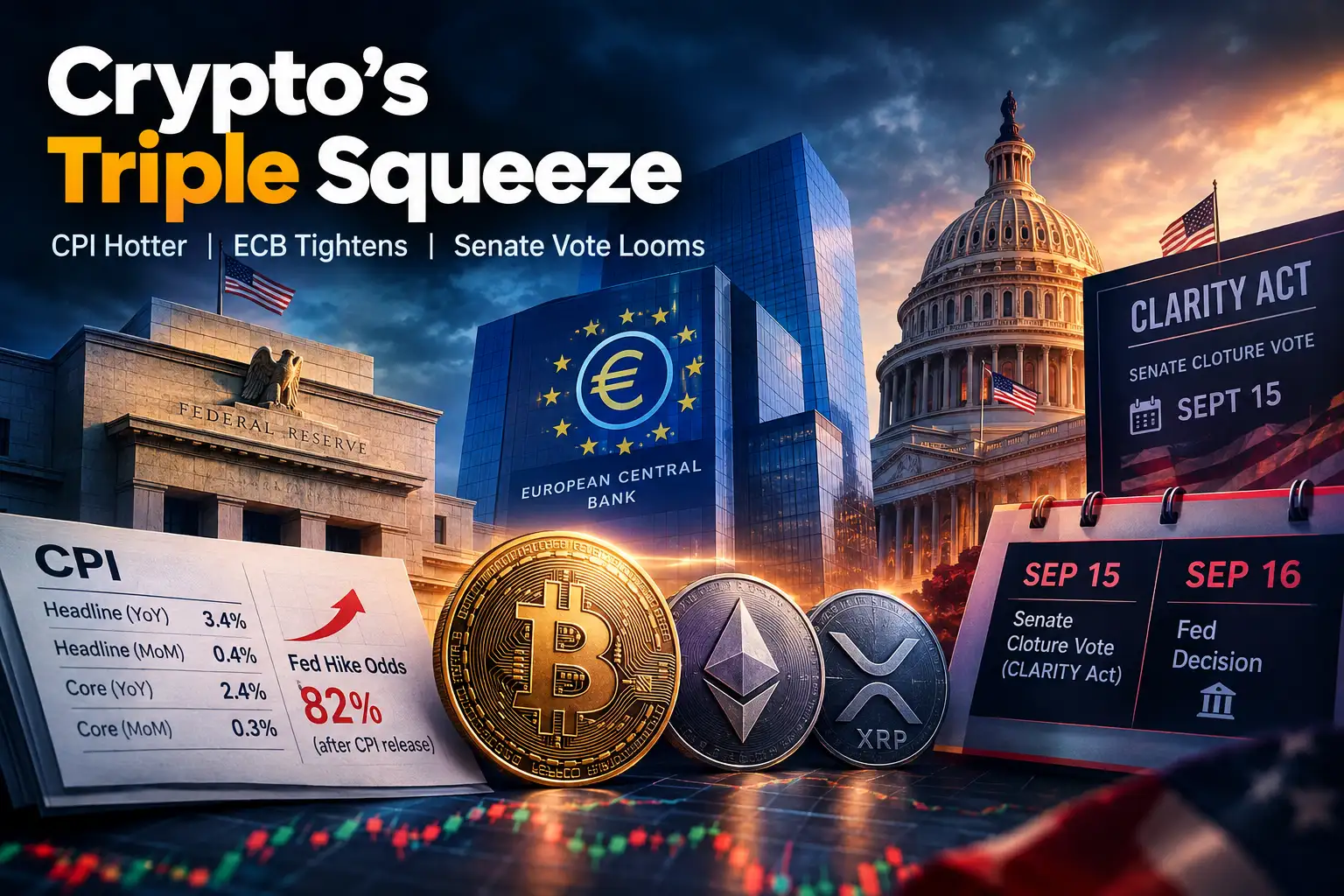
Bitcoin faces rising Fed rate-hike odds, a hawkish ECB, and a make-or-break Senate cloture vote on the CLARITY Act — all landing in the same five-day window.
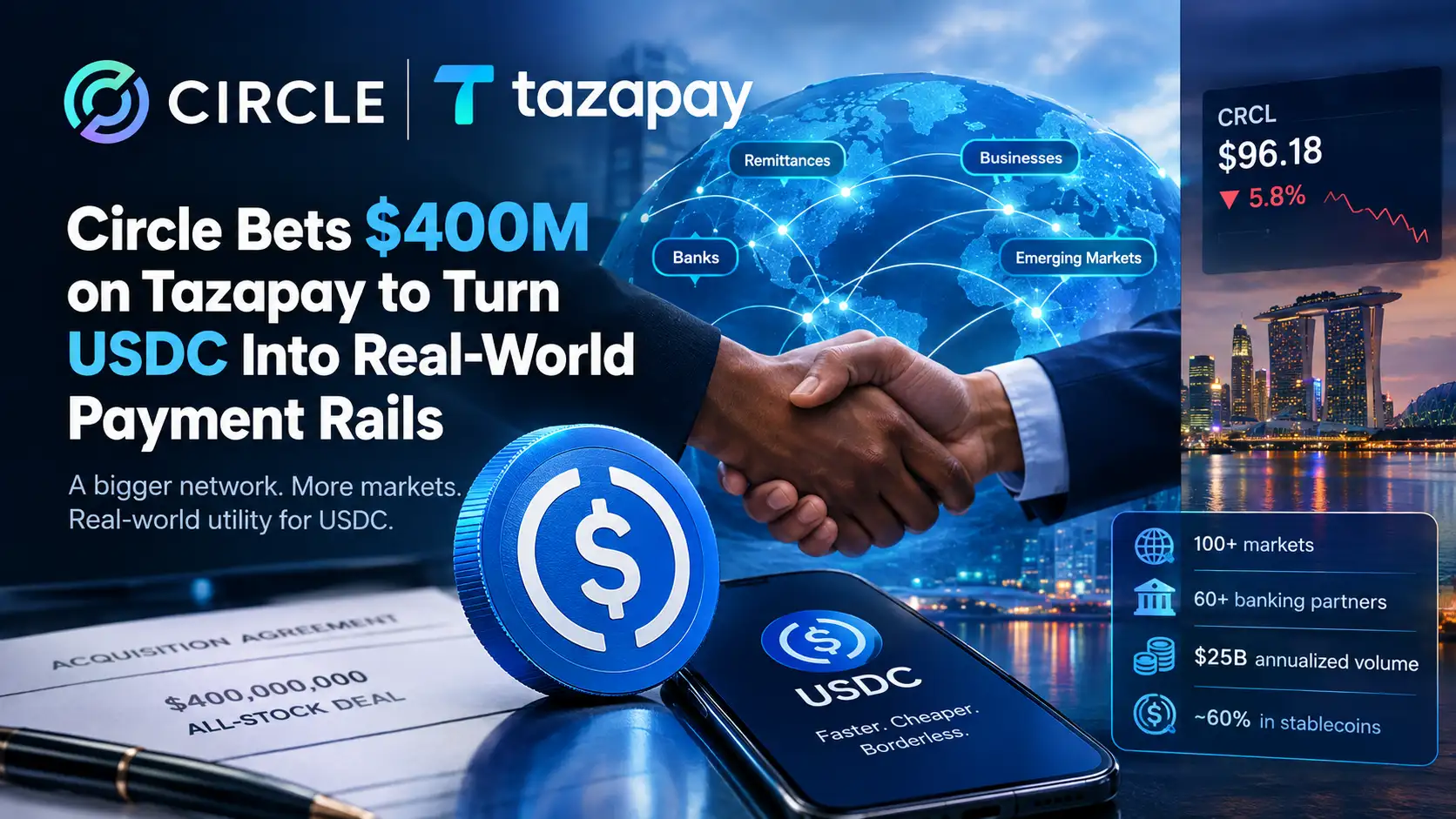
Circle's largest deal since Poloniex brings a licensed cross-border payments network in-house.
On-Chain Media is an independent, reader-funded crypto media platform. Kindly consider supporting us with a donation.
bc1qp0a8vw82cs508agere759ant6xqhcfgcjpyghk
0x18d7C63AAD2679CFb0cfE1d104B7f6Ed00A3A050
CBaXXVX7bdAouqg3PciE4HjUXAhsrnFBHQ2dLcNz5hrM
Contains the last 12 releases