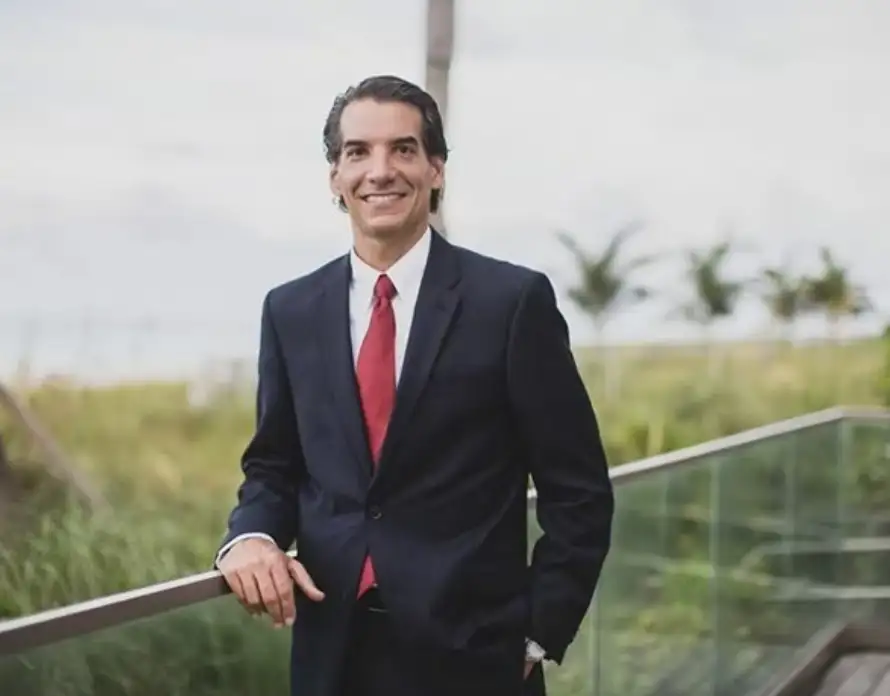
By John Ioannou, Founder of CryptEscrow, a leading provider of compliant crypto conversion solutions for the purchase of real estate.
The prevailing conversation when it comes to the prospective intersection of crypto and real estate has typically focused on whether somebody could buy a house with Bitcoin.
In Q3 2026, I think we’ve moved well past that question. The main issue today is how we make these transactions work within the same legal, escrow and title framework that protects buyers and sellers in a conventional closing.
The latest statistics indicate the demand is already there. An estimated 67 million Americans now own cryptocurrency, roughly one in four adults. Crypto wealth is increasingly finding its way into property purchases too.
Deloitte cites research showing crypto-wealth-enabled home purchases increasing 35% year over year, while 12.7% of Gen Z and Millennial homebuyers reported selling cryptocurrency to help fund a down payment.
Crypto doesn't replace the closing
One misconception is that bringing blockchain into real estate means replacing attorneys, title companies and escrow agents with smart contracts. I see the opportunity very differently.
The most practical model is a hybrid one. Crypto can provide a new source of funds and blockchain can make parts of the transaction faster and more programmable, but the property still needs a clean title. Contracts still need to be enforceable. Funds need to be handled correctly. The deed needs to be recorded, and the seller ultimately needs to receive the agreed consideration.
The U.S. already has a well-developed framework governing closing and title services. The challenge is therefore not creating an entirely new legal system for crypto. It is building a compliant bridge between digital assets and the system that already exists.
Safeguarding digital assets that starts with custody and control
Traditional escrow has decades of rules around how money is received, held and disbursed. Crypto introduces a different set of operational risks. Private keys can be compromised, assets can be sent to the wrong address and blockchain transactions generally cannot simply be reversed because somebody entered incorrect information.
That means lawyers need to think carefully about where the crypto sits, who controls it, when conversion takes place and exactly what triggers the release of funds.
In many transactions, the cleanest approach is to convert the buyer's cryptocurrency into U.S. dollars through compliant infrastructure before those dollars enter the conventional closing process. This allows a buyer to access digital wealth without asking every participant in the transaction to suddenly become a cryptocurrency expert.
AML and KYC can't be an afterthought
The second issue is compliance. The fact that funds originated on a blockchain does not eliminate the need to understand who the buyer is or where their wealth came from. If anything, high-value crypto transactions make strong compliance procedures even more important.
AML and KYC checks, transaction monitoring and appropriate source-of-funds verification need to be built into the process. Blockchain can actually help here because transactions leave an auditable trail. But an auditable trail is only useful when professionals have the systems and expertise to interpret it.
The objective should be fairly straightforward: by the time converted dollars reach the closing, the parties involved should have confidence that the transaction has gone through an appropriate compliance process.
Title insurance still matters
Crypto also does not change the basic purpose of title insurance. Title insurers are concerned with ownership, liens, competing claims and whether marketable title can be transferred. The fact that a buyer generated their purchase funds by selling Bitcoin or another digital asset does not remove those questions.
What does change is the diligence surrounding the funding path. Attorneys, escrow professionals and title partners need documentation showing how the crypto was converted and how the resulting dollars reached the transaction. Creating a clear chain between the digital asset, conversion and closing funds helps the conventional title process function as intended.
Smart contracts need legal contracts around them
Smart contracts are another area where expectations need to be realistic. Code can automatically execute an instruction when predetermined conditions are satisfied, which creates interesting possibilities for deposits, escrow releases and other parts of a property transaction. But code is not a substitute for legal judgment.
Real estate transactions contain contingencies, disclosure requirements, disputes and situations where human interpretation is necessary. If a smart contract is used, its operation should therefore correspond clearly with the written agreements governing the transaction.
Everyone needs to understand what triggers execution, what happens when something goes wrong and which conventional legal agreement controls the parties' rights.
The technology should execute the transaction, not create ambiguity around it.
The infrastructure is catching up with the buyer
We are already seeing how important this becomes at the top of the market, where digital asset holders may want to move significant amounts of wealth into property quickly. Transactions involving tens or even hundreds of millions of dollars leave little room for improvised processes.
That is why I believe the next phase of crypto real estate will be less about novelty and more about professionalization.
Buyers increasingly hold wealth differently than they did 20 years ago. Some hold substantial portions of it in Bitcoin, stablecoins and other digital assets. They should not have to choose between participating in the crypto economy and buying conventional real estate.
The legal industry does not need to tear up the closing process to accommodate them. We need compliant infrastructure connecting the two worlds.
When custody, conversion, AML/KYC, title and contractual obligations are handled correctly, crypto becomes another legitimate source of purchasing power. That is ultimately how this market scales: not by bypassing escrow law, but by making digital assets work within it.
About the author
John Ioannou is a licensed real estate attorney with more than 25 years of experience and the founder of CryptEscrow, a platform that enables secure, compliant cryptocurrency-to-cash settlement for real estate transactions. Since 1999, he has advised clients on complex real estate matters while helping bridge the gap between digital assets and traditional property transactions.
Mr. Ioannou holds a Juris Doctor, an MBA, and a specialty degree in Management Information Systems from Nova Southeastern University, where he received multiple academic honors. He is a member of the American Bar Association and the Real Property, Probate & Trust Law Section of The Florida Bar.
On-Chain Media articles are for educational purposes only. We strive to provide accurate and timely information. This information should not be construed as financial advice or an endorsement of any particular cryptocurrency, project, or service. The cryptocurrency market is highly volatile and unpredictable.Before making any investment decisions, you are strongly encouraged to conduct your own independent research and due diligence
Tags :

0 Comments
Show More
Nvidia falls as AI-safety concerns, DOJ scrutiny of its $17 billion Groq licensing deal and profit-taking pressure weigh on shares.

Bitcoin faces rising Fed rate-hike odds, a hawkish ECB, and a make-or-break Senate cloture vote on the CLARITY Act — all landing in the same five-day window.
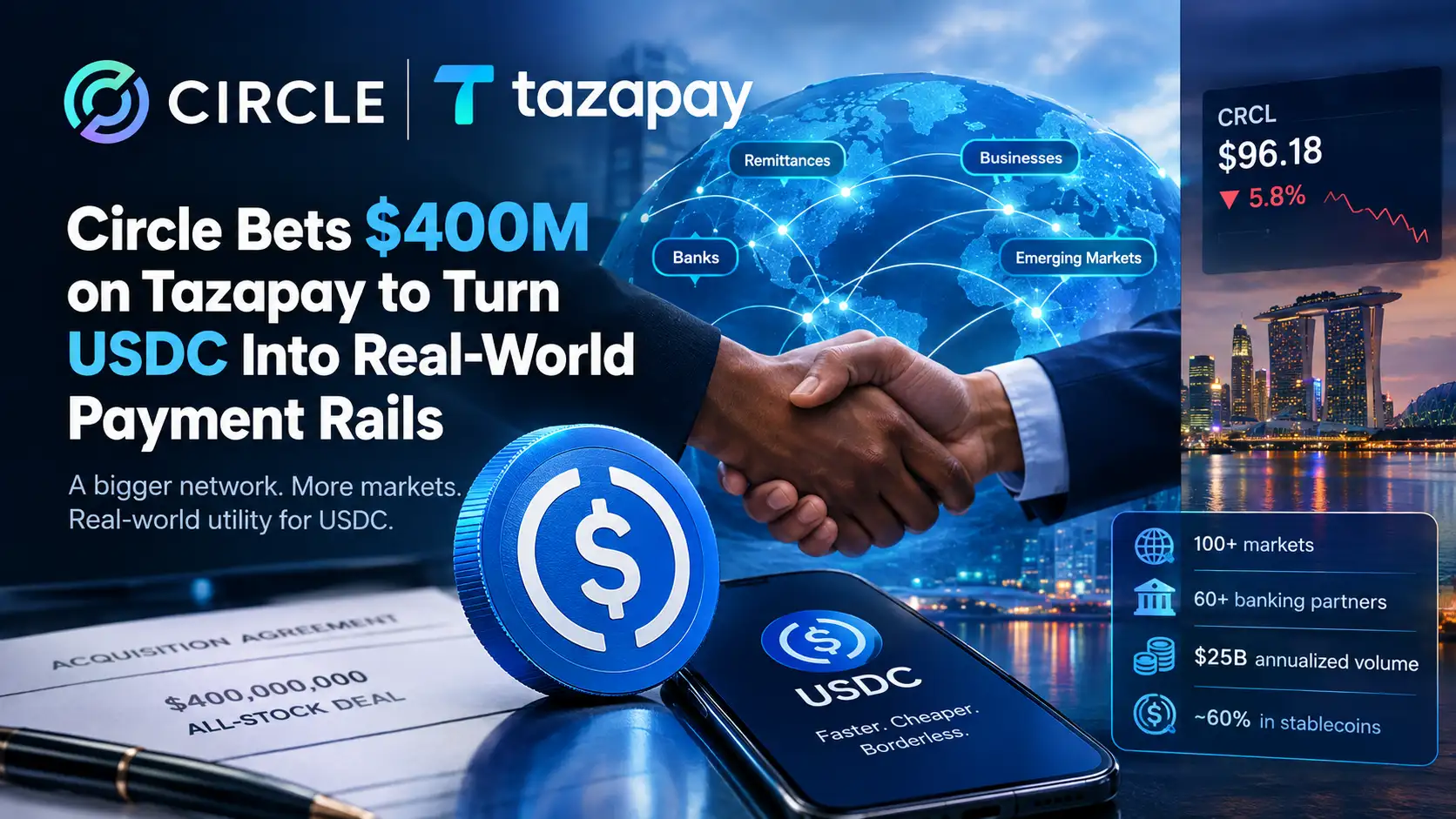
Circle's largest deal since Poloniex brings a licensed cross-border payments network in-house.
On-Chain Media is an independent, reader-funded crypto media platform. Kindly consider supporting us with a donation.
bc1qp0a8vw82cs508agere759ant6xqhcfgcjpyghk
0x18d7C63AAD2679CFb0cfE1d104B7f6Ed00A3A050
CBaXXVX7bdAouqg3PciE4HjUXAhsrnFBHQ2dLcNz5hrM
Contains the last 12 releases