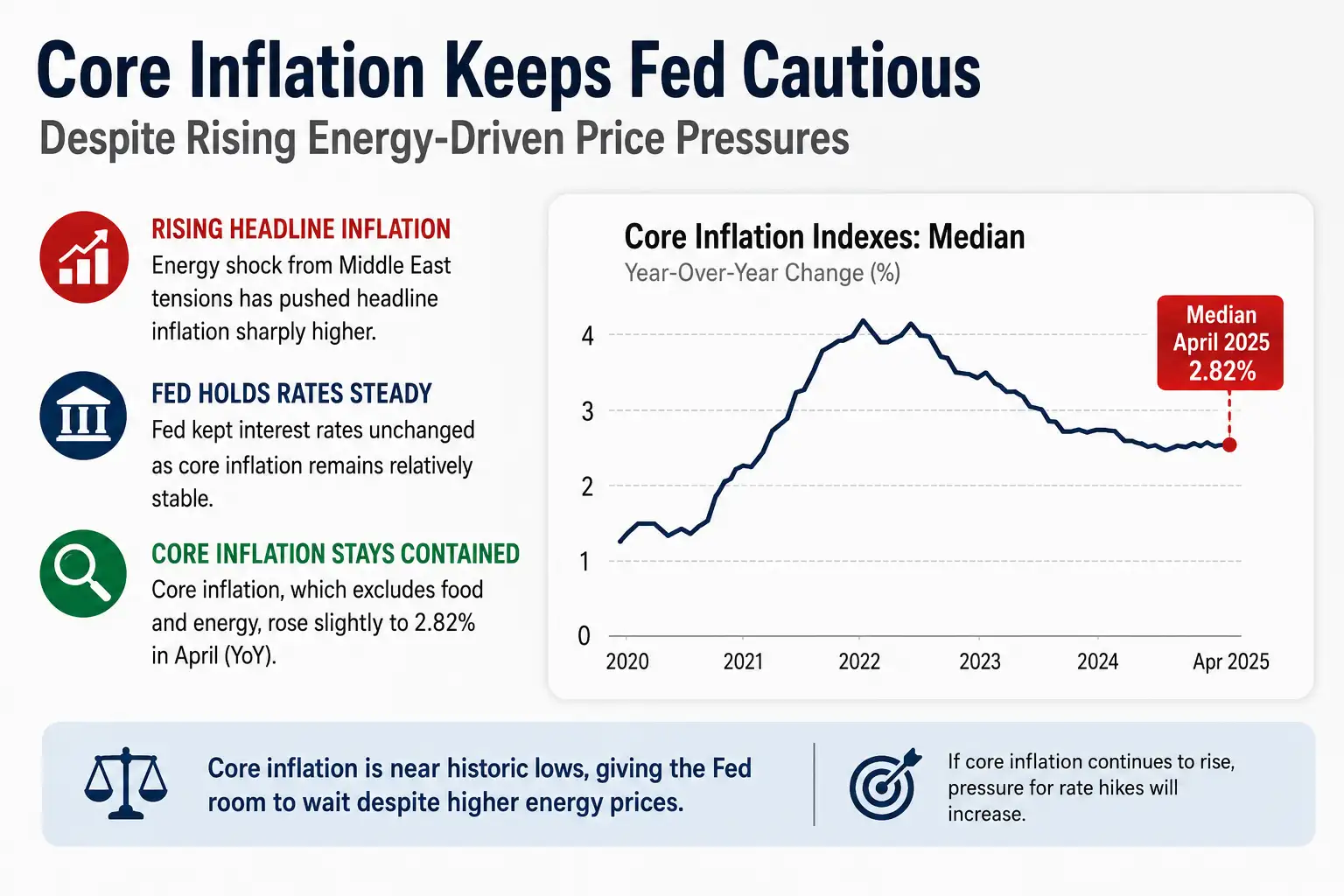
Inflation has accelerated following the energy shock linked to tensions in the Middle East, and economists believe price pressures are likely to remain elevated in the coming months.
Despite this, the Federal Reserve kept interest rates unchanged at its latest policy meeting held late last month.Markets for Fed funds futures still suggest a strong expectation that the central bank will maintain current rates through the next several meetings.
The key issue now is determining how much further inflation must rise before the Fed considers resuming rate hikes.
One reason the Fed has chosen to remain patient is the relatively steady performance of core inflation measures. While headline inflation which includes food and energy prices has risen sharply since the conflict began, core inflation has stayed more contained.
Supporters of focusing on core inflation argue that it offers a clearer picture of long-term pricing trends and therefore serves as a better guide for monetary policy decisions. Although this approach remains debated, the Fed can justify holding rates steady as long as core inflation does not show signs of significant acceleration.
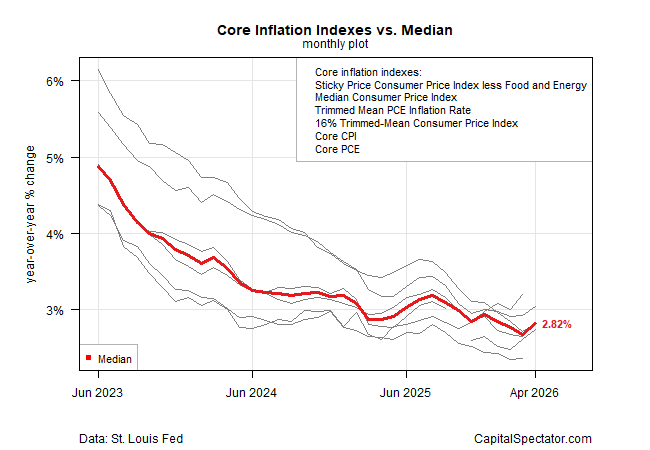
The Federal Reserve is widely believed to place particular importance on the core Personal Consumption Expenditures (PCE) Price Index, which measures changes in household spending prices while excluding volatile food and energy costs. However, several alternative core inflation indicators also exist, and reviewing a broader range of measures can provide deeper insight into economic conditions and the potential timing of future rate increases.
The chart below compares the median year over year change across six core inflation indexes. Each measure has advantages and limitations, making the median a useful overall benchmark. In April, the median increased slightly to 2.82% from a year earlier, remaining near one of the mildest levels seen in recent periods.
Source:Tradingeconomics
The broader message is that although core inflation moved modestly higher in April,it has not yet signaled the kind of warning reflected in the much steeper rise in headline inflation.
Whether the Fed ultimately decides to raise interest rates in response to the ongoing Middle East driven energy shock remains uncertain.However, if core inflation measures continue trending upward, pressure on policymakers to tighten monetary policy will likely intensify.
On-Chain Media articles are for educational purposes only. We strive to provide accurate and timely information. This information should not be construed as financial advice or an endorsement of any particular cryptocurrency, project, or service. The cryptocurrency market is highly volatile and unpredictable.Before making any investment decisions, you are strongly encouraged to conduct your own independent research and due diligence
Tags :

0 Comments
Show More
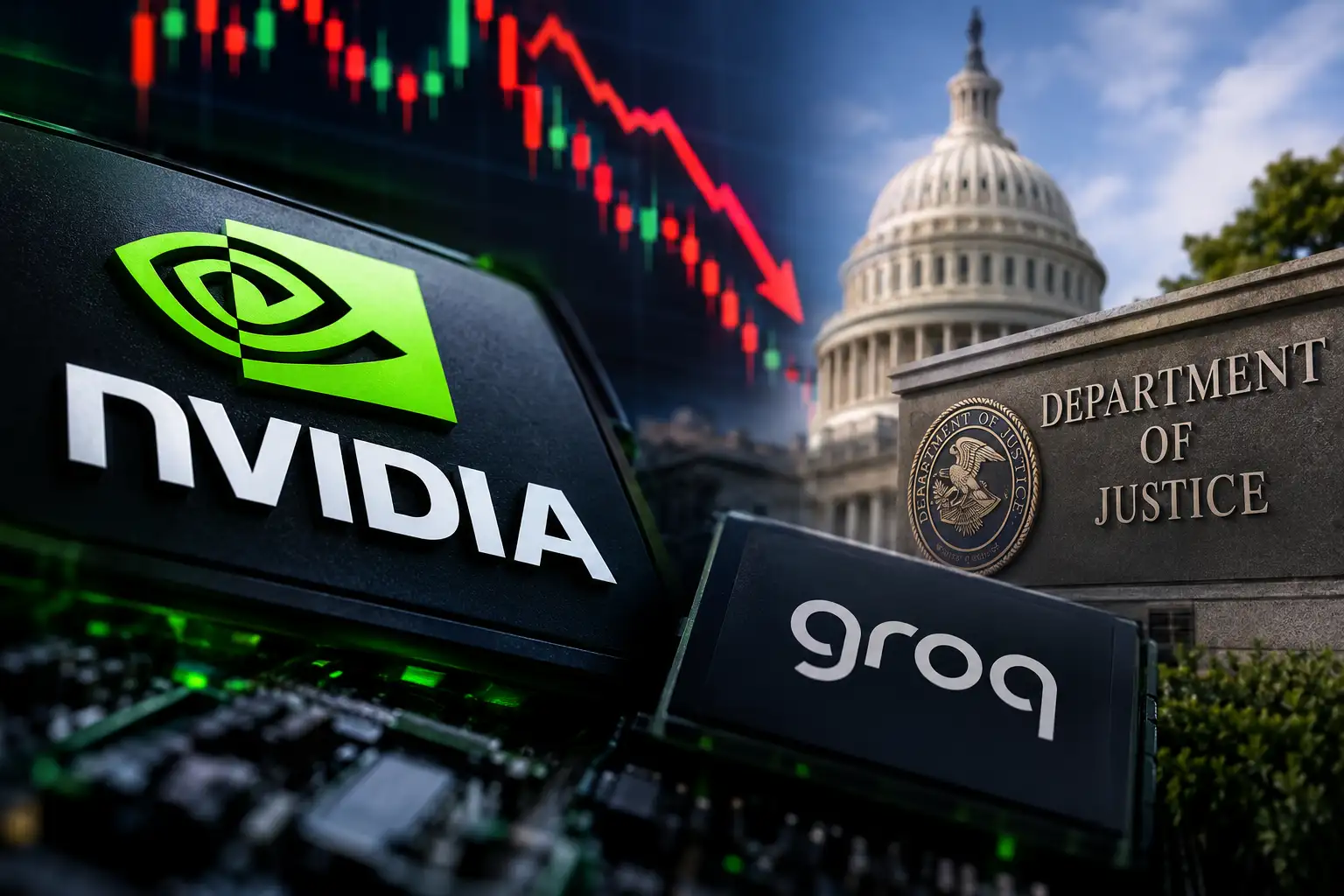
Nvidia falls as AI-safety concerns, DOJ scrutiny of its $17 billion Groq licensing deal and profit-taking pressure weigh on shares.
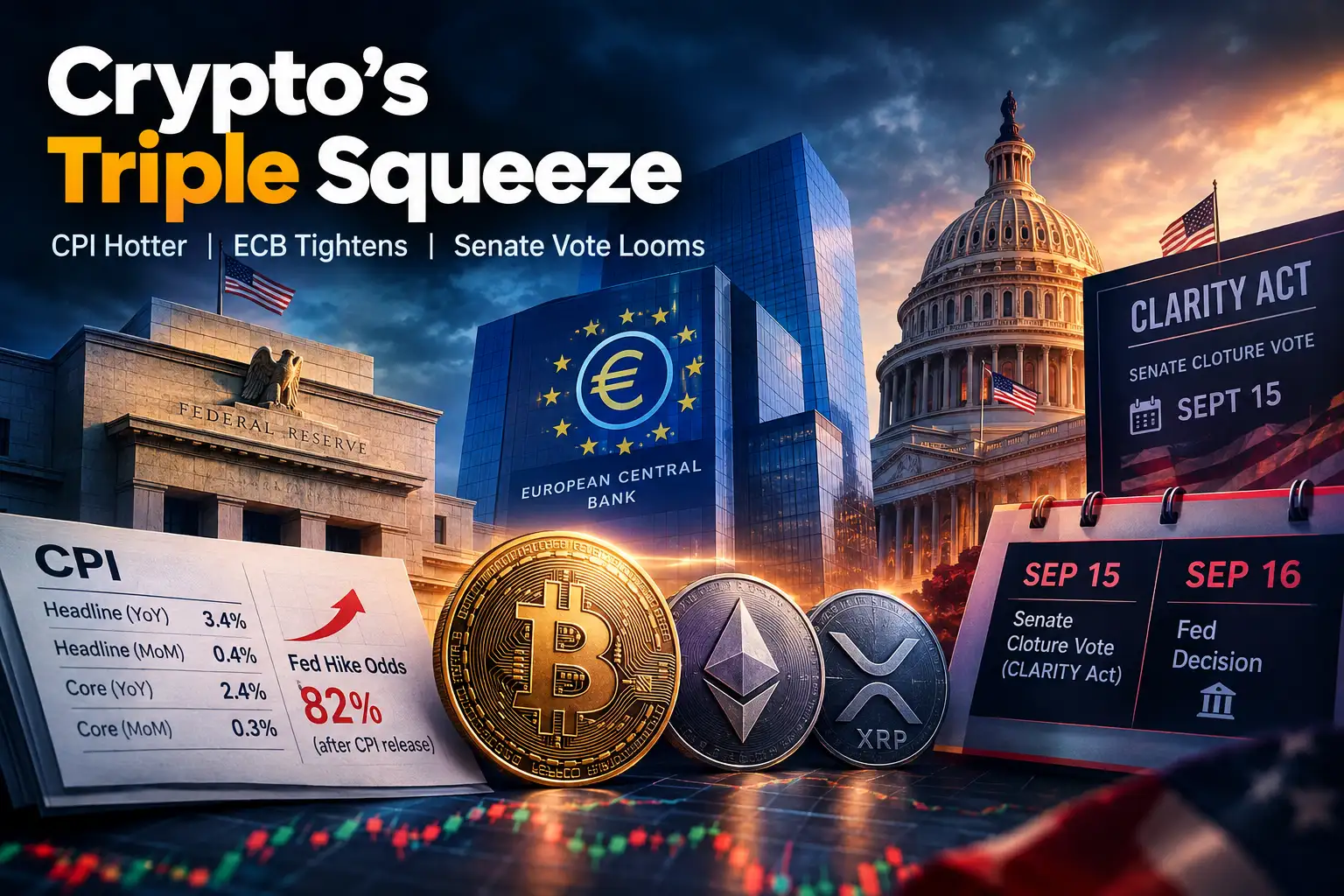
Bitcoin faces rising Fed rate-hike odds, a hawkish ECB, and a make-or-break Senate cloture vote on the CLARITY Act — all landing in the same five-day window.

Circle's largest deal since Poloniex brings a licensed cross-border payments network in-house.
On-Chain Media is an independent, reader-funded crypto media platform. Kindly consider supporting us with a donation.
bc1qp0a8vw82cs508agere759ant6xqhcfgcjpyghk
0x18d7C63AAD2679CFb0cfE1d104B7f6Ed00A3A050
CBaXXVX7bdAouqg3PciE4HjUXAhsrnFBHQ2dLcNz5hrM
Contains the last 12 releases