In what has become a landmark event in the decentralized finance (DeFi) space, zkLend, a prominent lending protocol operating on the Starknet Blockchain, has been hit by a staggering $9.5 million exploit.
The breach, which came to light on February 12, 2025, was initially detected by the vigilant eyes of Cyvers, a cybersecurity firm renowned for its focus on blockchain security.
The exploit saw the unauthorized withdrawal of nearly $10 million worth of digital assets from zkLend's liquidity pool, marking one of the most significant hacks in recent DeFi history.
In response to this audacious breach, zkLend has taken a bold and unconventional step by offering the hacker a 10% bounty of the stolen amount, which equates to $950,000.
This offer comes with a promise of immunity from legal action, provided the hacker returns the remaining funds before the deadline of February 14, 2025.
This strategy, often referred to as an "exploit bounty," is designed to turn what is traditionally seen as a 'Black Hat' hacker into a 'White Hat' by incentivizing the return of stolen assets through a financial reward.
This approach not only aims to recover the lost funds but also encourages ethical behavior post-exploit, potentially setting a new precedent in how DeFi platforms might handle security breaches in the future.
The news of zkLend's exploit and their response has ignited a firestorm of discussion within the blockchain community. While some applaud the initiative for its potential to quickly recover funds and mitigate losses, others are skeptical about its long-term implications.
There's a concern that offering bounties might inadvertently encourage more exploits by suggesting that there's a financial reward for hacking, even if it's less than the total amount stolen.
Zoltan Varadi, a well-respected blockchain security analyst, commented on the situation, emphasizing the need for a balanced view.
"While zkLend's exploit bounty could serve as an immediate solution to recover funds, we must critically assess the broader impact. It's about finding the right balance between incentivizing the return of assets and not promoting future malicious activities," Varadi noted.
The blockchain and DeFi communities are now watching closely to see if the hacker will accept zkLend's offer, turning from a perpetrator into a participant in the recovery process.
This incident not only highlights the vulnerabilities inherent in DeFi platforms but also pushes the conversation towards more innovative and perhaps controversial methods of dealing with such breaches.
As the deadline approaches, the outcome of this exploit could influence how future security incidents are managed in the DeFi ecosystem.
On-Chain Media articles are for educational purposes only. We strive to provide accurate and timely information. This information should not be construed as financial advice or an endorsement of any particular cryptocurrency, project, or service. The cryptocurrency market is highly volatile and unpredictable.Before making any investment decisions, you are strongly encouraged to conduct your own independent research and due diligence
Tags :

0 Comments
Show More
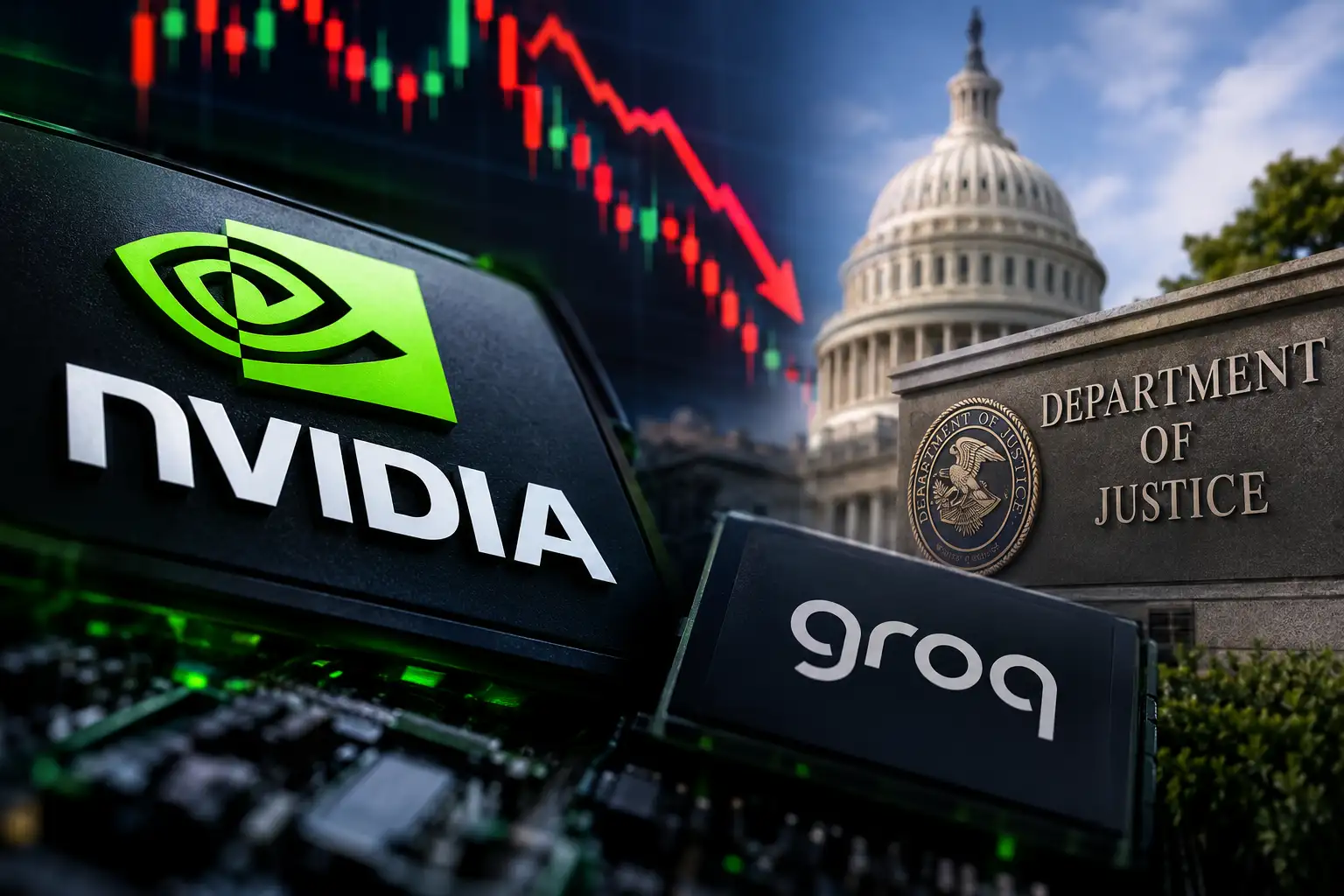
Nvidia falls as AI-safety concerns, DOJ scrutiny of its $17 billion Groq licensing deal and profit-taking pressure weigh on shares.

Bitcoin faces rising Fed rate-hike odds, a hawkish ECB, and a make-or-break Senate cloture vote on the CLARITY Act — all landing in the same five-day window.
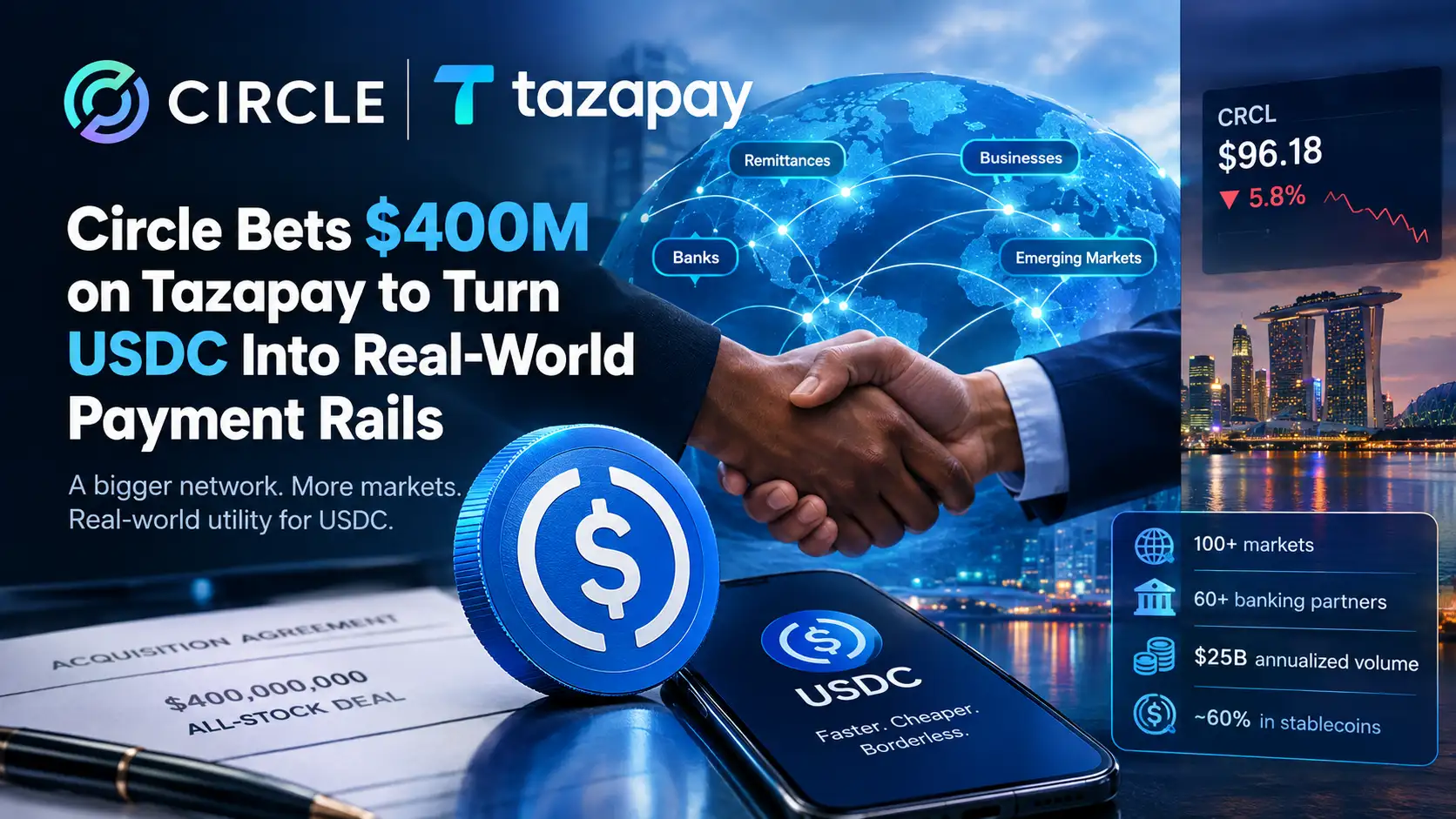
Circle's largest deal since Poloniex brings a licensed cross-border payments network in-house.
On-Chain Media is an independent, reader-funded crypto media platform. Kindly consider supporting us with a donation.
bc1qp0a8vw82cs508agere759ant6xqhcfgcjpyghk
0x18d7C63AAD2679CFb0cfE1d104B7f6Ed00A3A050
CBaXXVX7bdAouqg3PciE4HjUXAhsrnFBHQ2dLcNz5hrM
Contains the last 12 releases