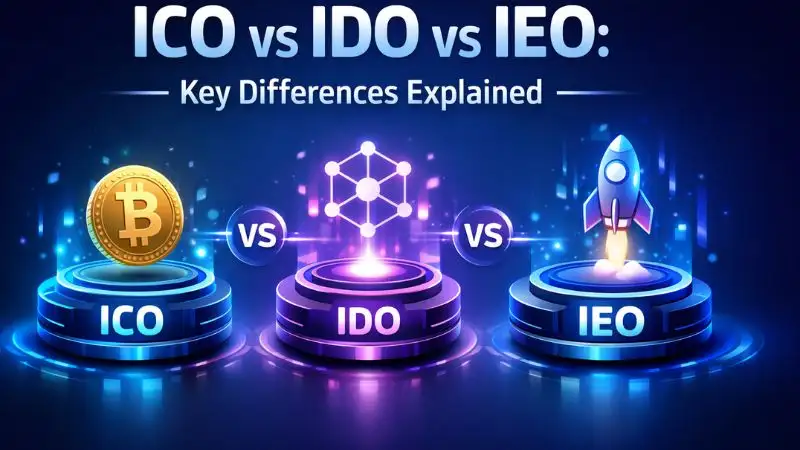
The world of blockchain fundraising has evolved rapidly over the past few years. From traditional Initial Coin Offerings (ICOs) to more secure and transparent models like IEOs and IDOs, startups now have multiple ways to raise capital.
However, choosing the right fundraising method can be confusing. Each model comes with its own advantages, risks, and technical requirements. This is where working with an experienced ICO Development Company becomes essential, helping startups navigate complexities and launch successful token offerings.
In this guide, we’ll break down the key differences between ICO, IDO, and IEO to help you make the right decision.
An Initial Coin Offering (ICO) is a fundraising method where startups issue their own tokens to investors in exchange for cryptocurrencies like Bitcoin or Ethereum.
Pros:
Cons:
An Initial Exchange Offering (IEO) is conducted on a centralized cryptocurrency exchange. The exchange acts as an intermediary between the project and investors.
Pros:
Cons:
An Initial DEX Offering (IDO) is a decentralized fundraising method conducted on decentralized exchanges (DEXs).
Pros:
Cons:
Here’s a quick comparison:
|
Feature |
ICO |
IEO |
IDO |
|
Platform |
Self-hosted |
Centralized Exchange |
Decentralized Exchange |
|
Trust Level |
Low |
High |
Medium |
|
Cost |
Low |
High |
Medium |
|
Regulation |
Minimal |
Moderate |
Low |
|
Liquidity |
Delayed |
Immediate |
Instant |
👉 Key Insight:
The best model depends on your business goals:
Startups should evaluate their budget, target audience, and technical capabilities before deciding.
Launching a successful token offering requires technical expertise, security, and strategic planning.
An experienced ICO Development Company like Technoloader can help with:
This ensures a secure, scalable, and compliant fundraising process.
The future of blockchain fundraising is moving toward:
Projects that adapt to these trends will have a higher success rate in 2026 and beyond.
ICO is self-hosted, IEO is exchange-based, and IDO is decentralized.
IEO is generally safer due to exchange verification.
It can range from $15,000 to $100,000+ depending on features.
Yes, it ensures secure and professional project execution.
Yes, IDO is ideal for decentralized and fast-launch projects.
Understanding the differences between ICO, IEO, and IDO is crucial for any blockchain startup. Each fundraising model has unique benefits and challenges, and choosing the right one can significantly impact your project’s success.
Working with a professional ICO Development Company can simplify the entire process, from token creation to launch and marketing.
👉 If you’re planning to launch your crypto project, Technoloader can help you build a secure and successful fundraising strategy.
On-Chain Media articles are for educational purposes only. We strive to provide accurate and timely information. This information should not be construed as financial advice or an endorsement of any particular cryptocurrency, project, or service. The cryptocurrency market is highly volatile and unpredictable.Before making any investment decisions, you are strongly encouraged to conduct your own independent research and due diligence
Tags :

0 Comments
Show More
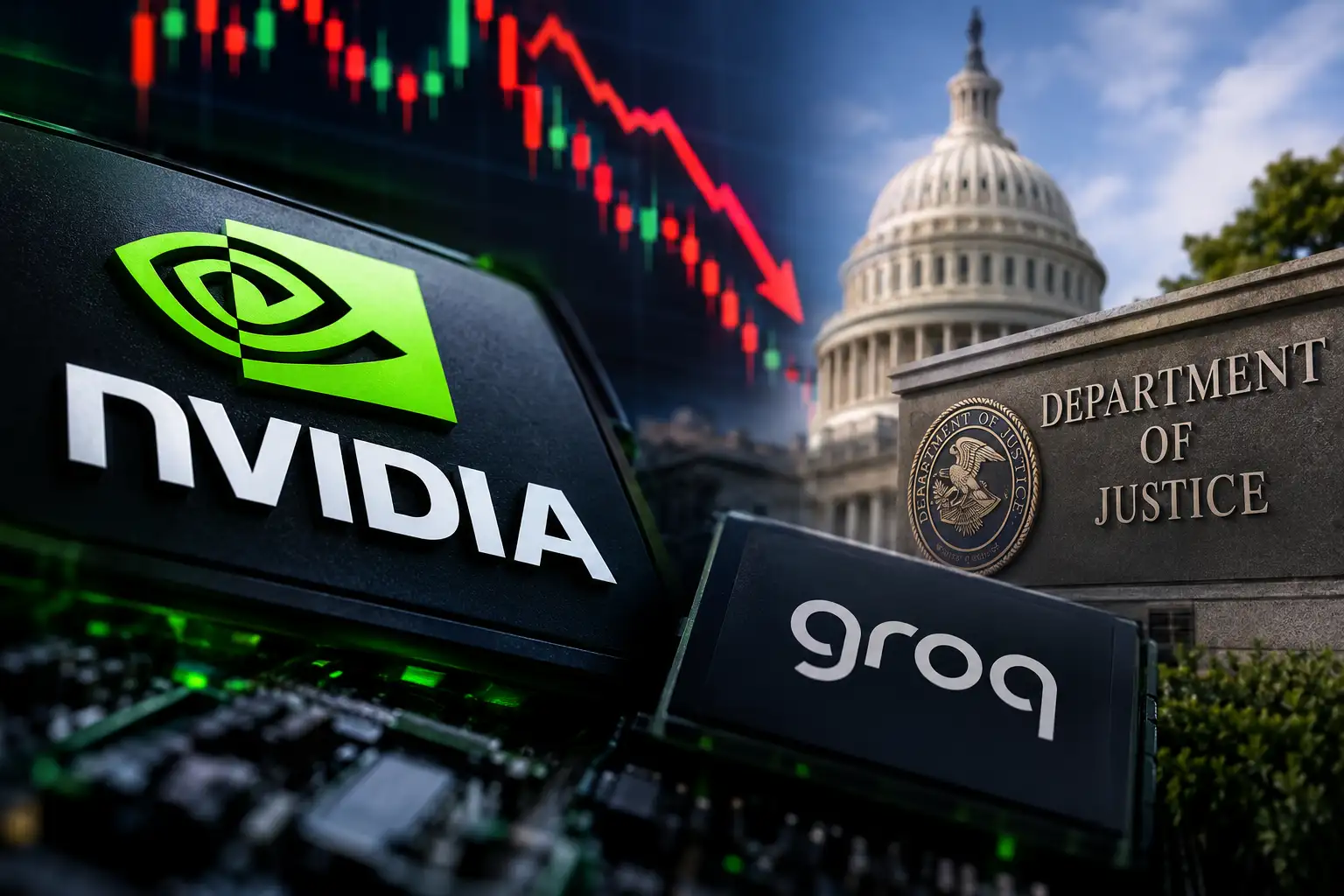
Nvidia falls as AI-safety concerns, DOJ scrutiny of its $17 billion Groq licensing deal and profit-taking pressure weigh on shares.

Bitcoin faces rising Fed rate-hike odds, a hawkish ECB, and a make-or-break Senate cloture vote on the CLARITY Act — all landing in the same five-day window.
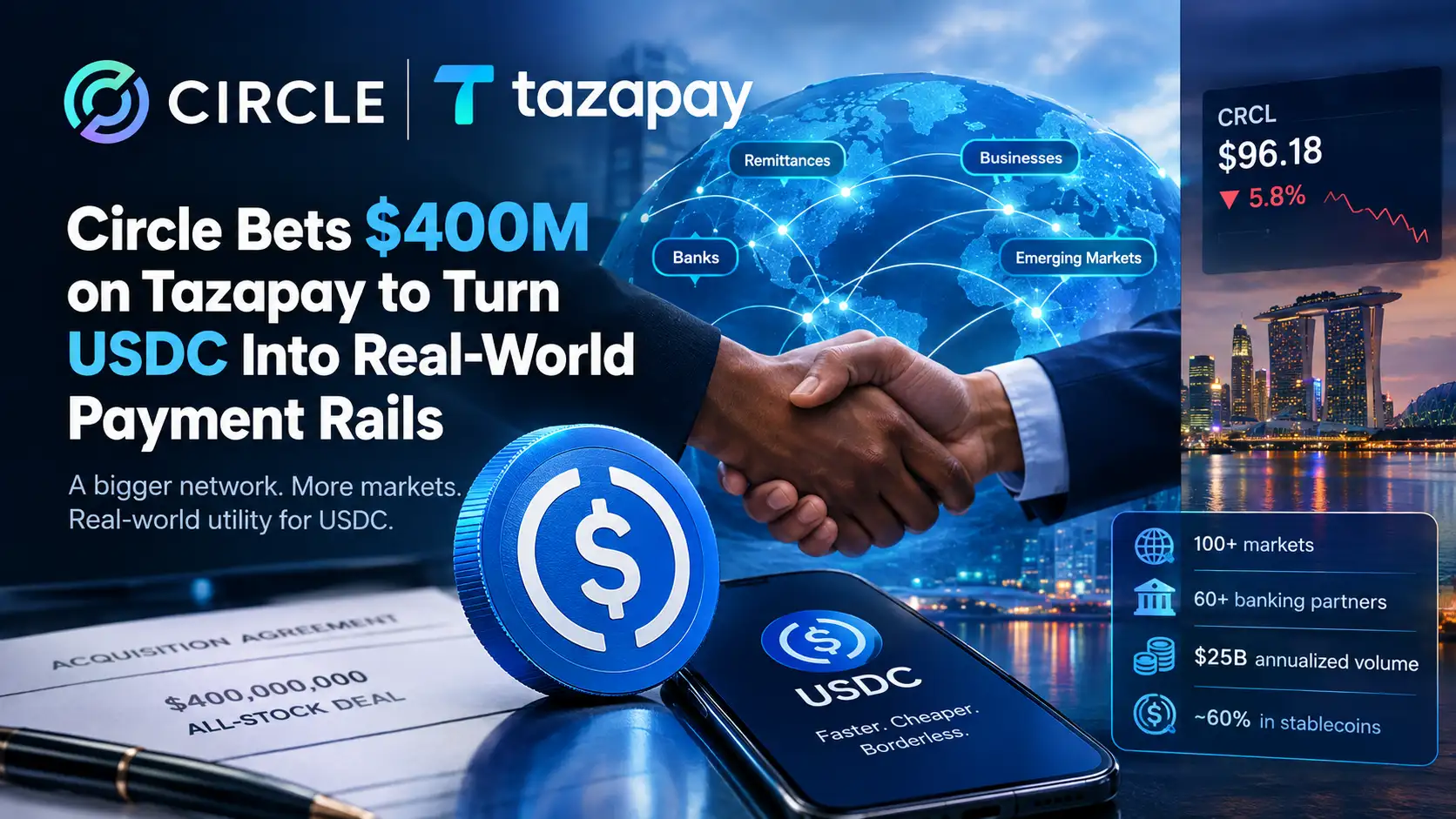
Circle's largest deal since Poloniex brings a licensed cross-border payments network in-house.
On-Chain Media is an independent, reader-funded crypto media platform. Kindly consider supporting us with a donation.
bc1qp0a8vw82cs508agere759ant6xqhcfgcjpyghk
0x18d7C63AAD2679CFb0cfE1d104B7f6Ed00A3A050
CBaXXVX7bdAouqg3PciE4HjUXAhsrnFBHQ2dLcNz5hrM
Contains the last 12 releases