
With the rise of decentralized finance (DeFi) and the emergence of new financial instruments such as liquidity pools, the world of cryptocurrencies is entering a new era of decentralization and innovation.
Today, liquidity pools have become the backbone of decentralized exchanges, providing instant swaps, access to various tokens, and unique opportunities for earning income.
But how exactly do these pools work, and why do they continue to attract both experienced traders and newcomers alike?
In this article, we will break down the key aspects of liquidity pools, their structure and operation, and examine the advantages and risks of using these tools.
Liquidity pools are collections of crypto assets locked in smart contracts that facilitate trading on decentralized exchanges (DEXs).
Unlike traditional exchanges, where trading is conducted between buyers and sellers, DEXs use liquidity pools to maintain adequate liquidity levels and execute orders.
These pools are created by users who deposit their assets, receiving liquidity tokens in return. These tokens represent a user's share in the pool and enable them to earn a portion of the fees generated from transactions within the pool.
Automatic market makers (AMMs) provide instant liquidity without the need for intermediaries. They use algorithms to determine the price of assets in the pool based on their ratio.
This approach not only reduces costs and simplifies the trading process but also makes financial transactions more transparent and accessible.
Liquidity pools are an integral part of the DeFi ecosystem, supporting the growth of DeFi platforms and opening new opportunities for investors and traders.
Liquidity pools operate based on the automatic market maker (AMM) model, where asset prices are determined by mathematical formulas rather than order books, as on centralized exchanges.
In AMMs, the price of assets changes depending on their ratio in the pool: when one asset is swapped for another, their balance changes, which automatically adjusts their price.
This approach allows for continuous liquidity and instant price determination without the need for order matching between buyers and sellers.
The larger the trade volume, the more significantly the balance of assets in the pool changes, which in turn affects the price more strongly.
This phenomenon is known as "slippage," and it can be minimized by having a high volume of liquidity in the pool.
Uniswap: One of the largest decentralized exchanges (DEXs), operating on the Ethereum blockchain as well as networks like Arbitrum, Optimism, and Polygon.
The platform uses the automatic market maker (AMM) model, where asset prices are determined by a mathematical formula. Liquidity providers add assets to pools, such as ETH/USDT and DAI/USDC, and earn fees from trades.
SushiSwap: Supports networks like Ethereum, Binance Smart Chain (BSC), Avalanche, Fantom, and Polygon. As a fork of Uniswap, it uses the same AMM model but additionally rewards liquidity providers with SUSHI tokens.
Popular pools include ETH/SUSHI and BTC/ETH, and support for multiple blockchains helps reduce fees and expand access to liquidity.
WhiteSwap: Created within the WhiteBIT ecosystem, it operates on the Ethereum blockchain and supports ERC-20 tokens like ETH/USDT and BTC/USDT.
The platform ensures secure decentralized trading through smart contracts, allowing users to earn fees from trades by adding liquidity to pools.
Liquidity pools play a crucial role in providing liquidity on decentralized exchanges, enabling seamless trading and accessibility of various tokens for users. At the same time, providing liquidity on centralized exchanges is a more complex process.
To maintain activity and attract clients, they focus on stimulating trading. One effective method is affiliate programs, which offer bonuses for attracting new users. Many exchanges, including OKX, WhiteBIT, and KuCoin, implement such programs to boost liquidity and activity on their platforms.
Liquidity pools are a foundational tool in the world of decentralized finance, ensuring smooth exchange operations and creating opportunities for earning income.
Despite risks like impermanent loss or vulnerabilities in smart contracts, the benefits, such as decentralization, access to instant transactions, and the ability to earn fees, make them attractive to many users.
On-Chain Media articles are for educational purposes only. We strive to provide accurate and timely information. This information should not be construed as financial advice or an endorsement of any particular cryptocurrency, project, or service. The cryptocurrency market is highly volatile and unpredictable.Before making any investment decisions, you are strongly encouraged to conduct your own independent research and due diligence
Tags :

0 Comments
Show More
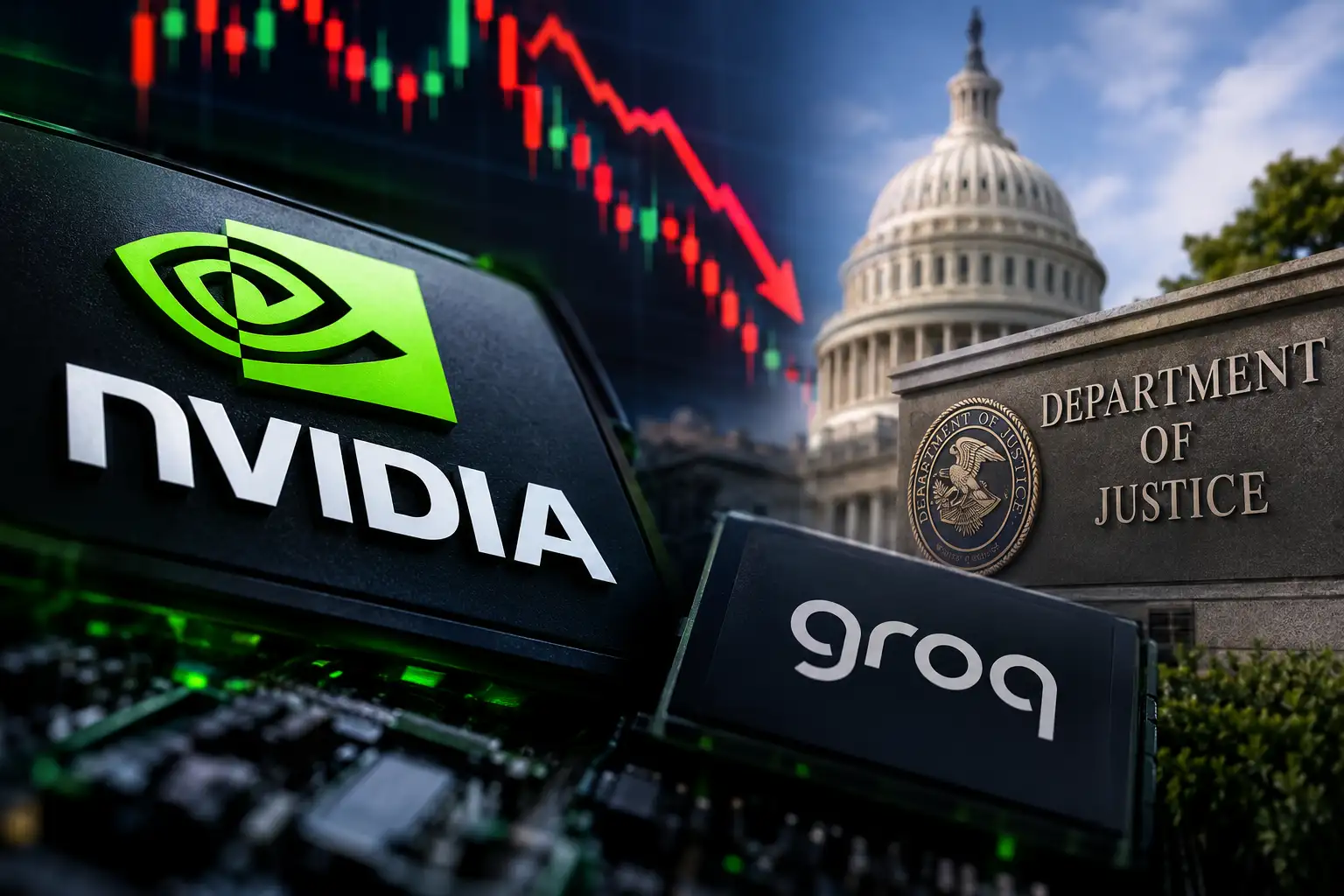
Nvidia falls as AI-safety concerns, DOJ scrutiny of its $17 billion Groq licensing deal and profit-taking pressure weigh on shares.
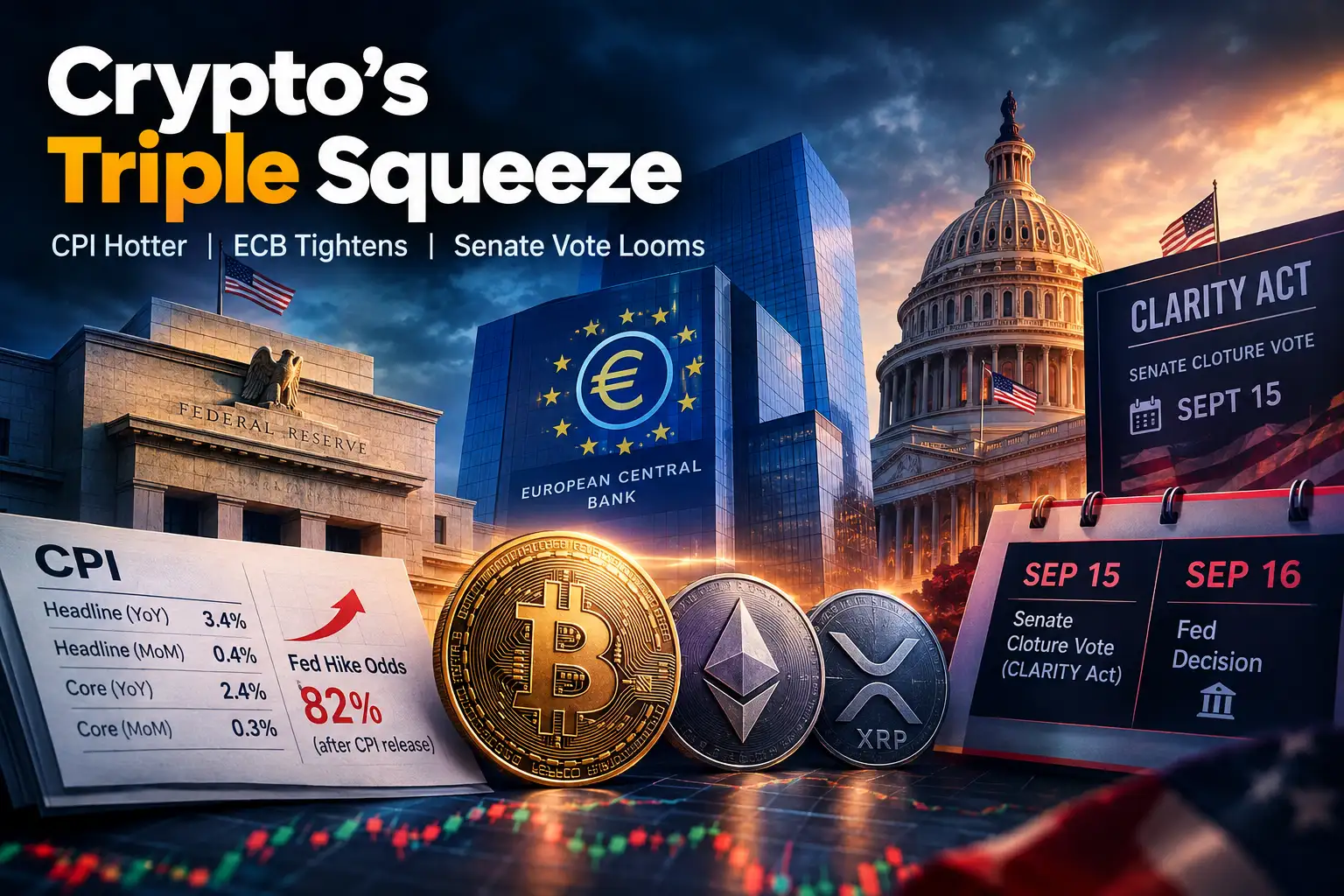
Bitcoin faces rising Fed rate-hike odds, a hawkish ECB, and a make-or-break Senate cloture vote on the CLARITY Act — all landing in the same five-day window.
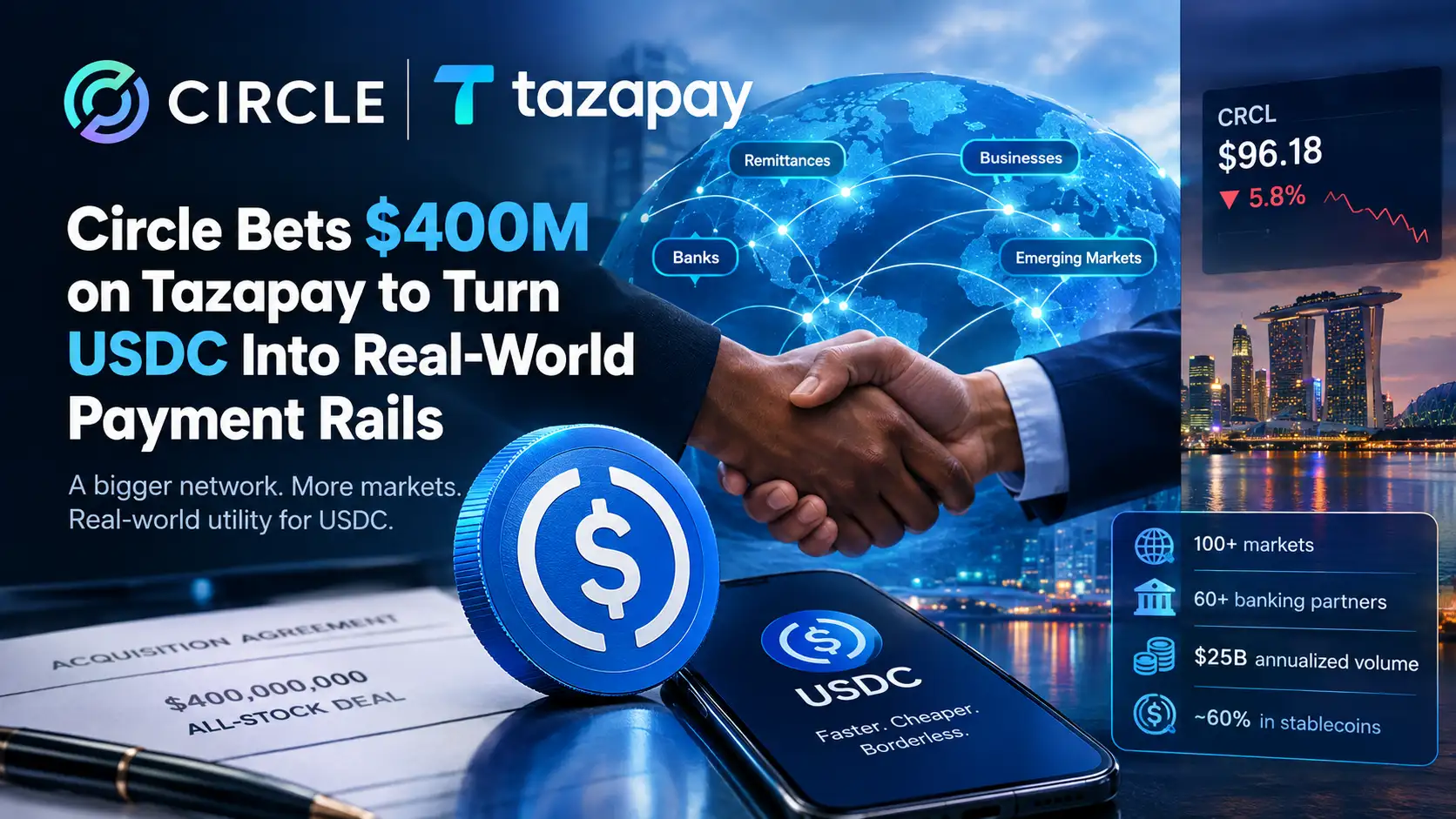
Circle's largest deal since Poloniex brings a licensed cross-border payments network in-house.
On-Chain Media is an independent, reader-funded crypto media platform. Kindly consider supporting us with a donation.
bc1qp0a8vw82cs508agere759ant6xqhcfgcjpyghk
0x18d7C63AAD2679CFb0cfE1d104B7f6Ed00A3A050
CBaXXVX7bdAouqg3PciE4HjUXAhsrnFBHQ2dLcNz5hrM
Contains the last 12 releases